



What Is 30 Grade/Type Oil?
In the food industry, 30 grade/type oil is a specially formulated ingredient designed for applications such as cocoa-based/cokolin coatings and dragee production. This raw material must be fully melted before use, ensuring easy handling and smooth processing in production lines. Thanks to these qualities, 30 grade oil offers significant convenience in food manufacturing and stands out among industrial oils used in the sector due to its stability and consistent performance.
These specially developed lauric-based oils, which serve as alternatives to cocoa butter, are used to provide the desired texture, shine, and durability in various food products.
Three Key Benefits of 30 Grade Oil in Food Applications
|
Feature |
Benefit |
|
1. Improved Coating Quality |
Ensures coatings adhere smoothly and evenly to surfaces such as nuts, fruits, pastries, and dragees, delivering a glossy and uniform finish. |
|
2. Fast and Uniform Solidification |
Supports rapid and consistent crystallisation when chocolate is poured into moulds, resulting in bright, clean-edged coatings. |
|
3. Enhanced Durability & Shelf Life |
Prevents melting in warm conditions and cracking in cold environments, significantly extending product shelf life and maintaining structural integrity. |
|
4. Operational Efficiency |
Its temper-free and conche-free formulation allows easy processing with ball mills and supports hot filling, offering substantial workflow convenience. |
How Is 30 Grade Oil Produced? What Is Its Raw Material?
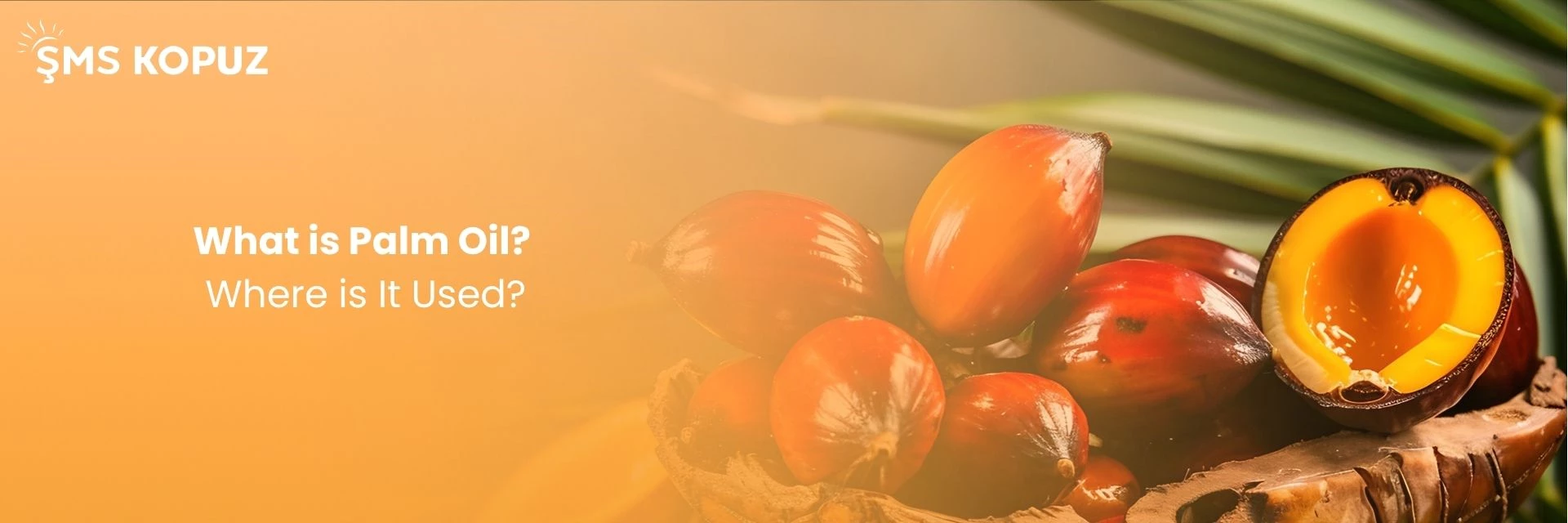
30 grade oil is a CBS (Cocoa Butter Substitute) derived from palm kernel oil, meaning its primary raw material is palm kernel. Through specialised refining and hydrogenation processes, the oil gains high crystallisation speed, shine, and an ideal consistency for industrial use.
Some variants of 30 grade oil may contain trans fats, therefore clean-label, trans-fat-free versions (such as Bunge CLSP 812) should be preferred for safe and high-quality production.
What Are the Characteristics of 30 Grade Oil?
The main characteristics of 30 grade oil are as follows:
• It provides brightness and creates a strong adhesion effect on the surface.
• It demonstrates fast and uniform solidification thanks to its high crystallisation rate.
• It has a clean formulation that does not contain trans fats.
• It offers practical use, as it can be applied without tempering.
• It delivers stable results in coating, dragee and moulding processes.
• It has a consistency suitable for use when completely melted.
These characteristics ensure high efficiency and ease of processing when using 30 grade oil.
What Should You Consider When Choosing 30 Grade Oil?
When selecting 30 grade oil, the product you intend to manufacture and its technical requirements should guide your choice. Key considerations include:
• Choosing trans-fat-free options
• Ensuring appropriate viscosity and performance according to the application (coating vs. moulding)
• Confirming CBS compatibility and cocoa-butter-substitution limitations
For optimal performance and complete food compliance, Bunge CLSP 812 offered by ŞMS Kopuz provides a reliable and efficient solution.
Frequently Asked Questions
Is 30 Grade Oil Compatible with Cocoa Butter?
30 grade oil is not fully compatible with cocoa butter. It is generally used as a substitute rather than a complementary fat.
Is 30 Grade Oil Safe for Consumption?
Yes, 30 grade oil is safe for consumption provided that it is trans-fat-free and produced in accordance with food safety standards. Purchasing branded and certified products minimises health risks.
What Is 30 Grade Oil Used For?
It provides fast solidification, high gloss, and stable structure in various food products, especially coatings and dragee applications.
What Is the Raw Material of 30 Grade Oil?
The raw material of 30 grade oil is palm kernel oil. After undergoing specialised processes, its crystallisation, hardness, and gloss are enhanced, making it suitable for food industry use.









 TR
TR
 EN
EN
 FR
FR
 AR
AR
 RU
RU